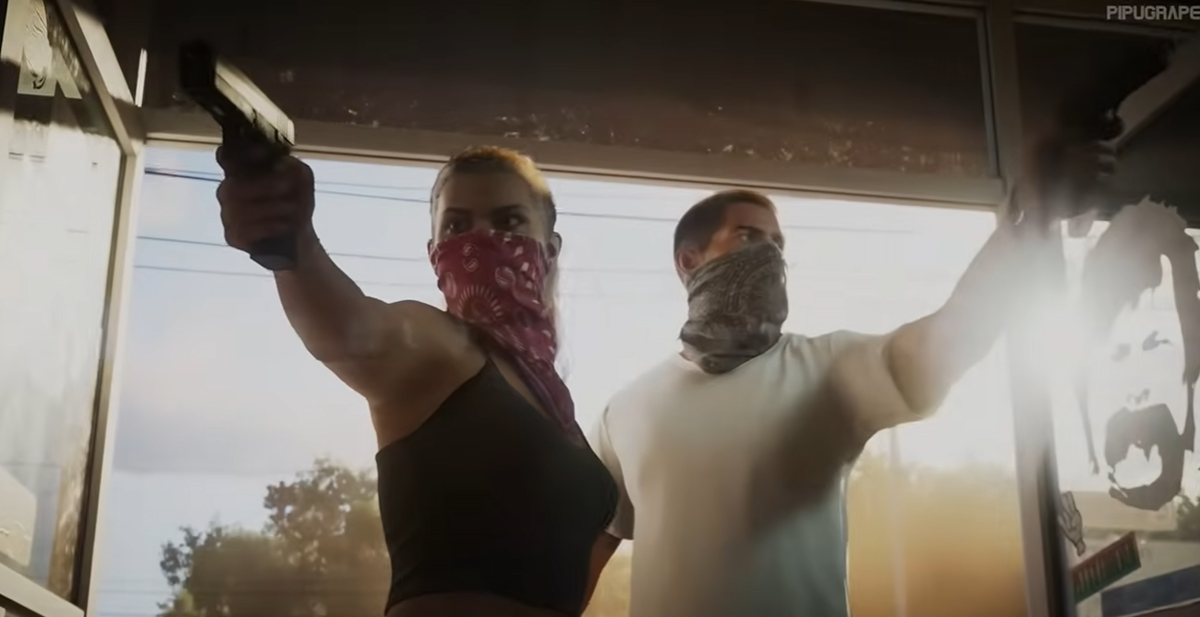
When Grand Theft Auto V launched in 2013, GTA Online was an afterthought — a multiplayer mode that arrived two weeks after the campaign and spent its first month barely working. More than a decade later, that "afterthought" generates more revenue than most major studios' entire catalogs. The math has flipped. GTA 6's online component isn't a side project anymore; it's the engine that has to drive Rockstar's next ten years.
That changes everything about what Vice City needs to be.
The most interesting signal we've gotten is structural. Take-Two has repeatedly described GTA 6 as a "live entertainment platform," not a sequel with online features. That language matters. It implies a single persistent map shared between single-player and multiplayer — closer to how Red Dead Online layered itself onto RDR2's frontier than to GTAV's bolted-on Los Santos. If Lucia and Jason's Vice City is also your Vice City, the city itself becomes the product.
Three problems have to be solved for that vision to land.
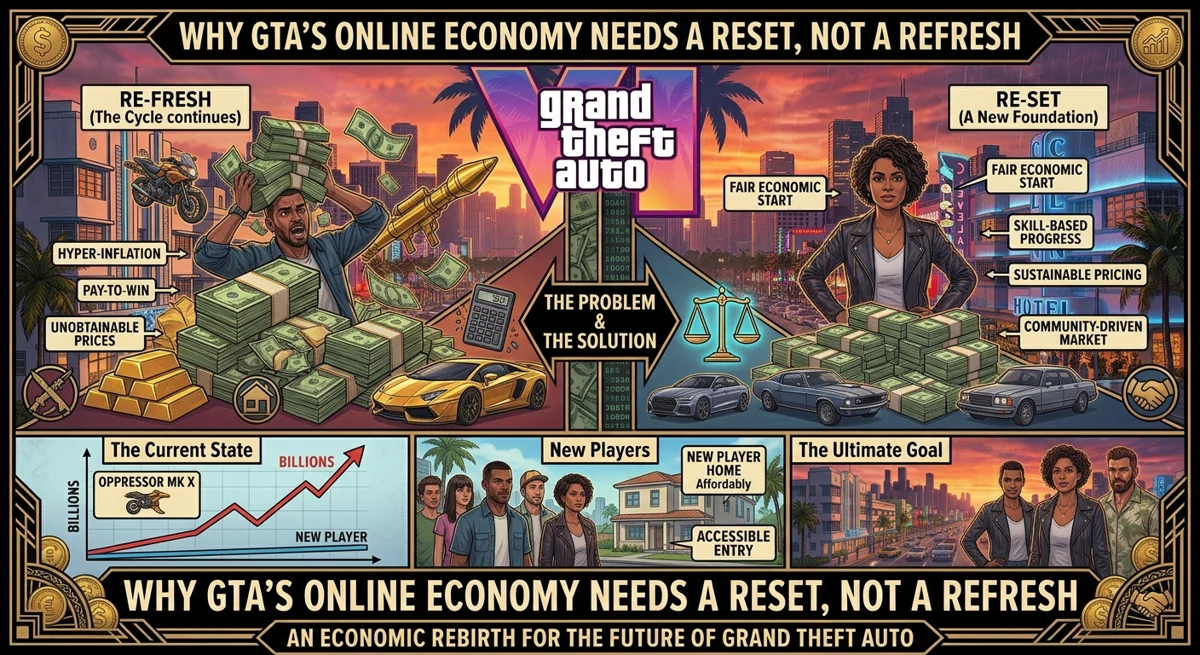
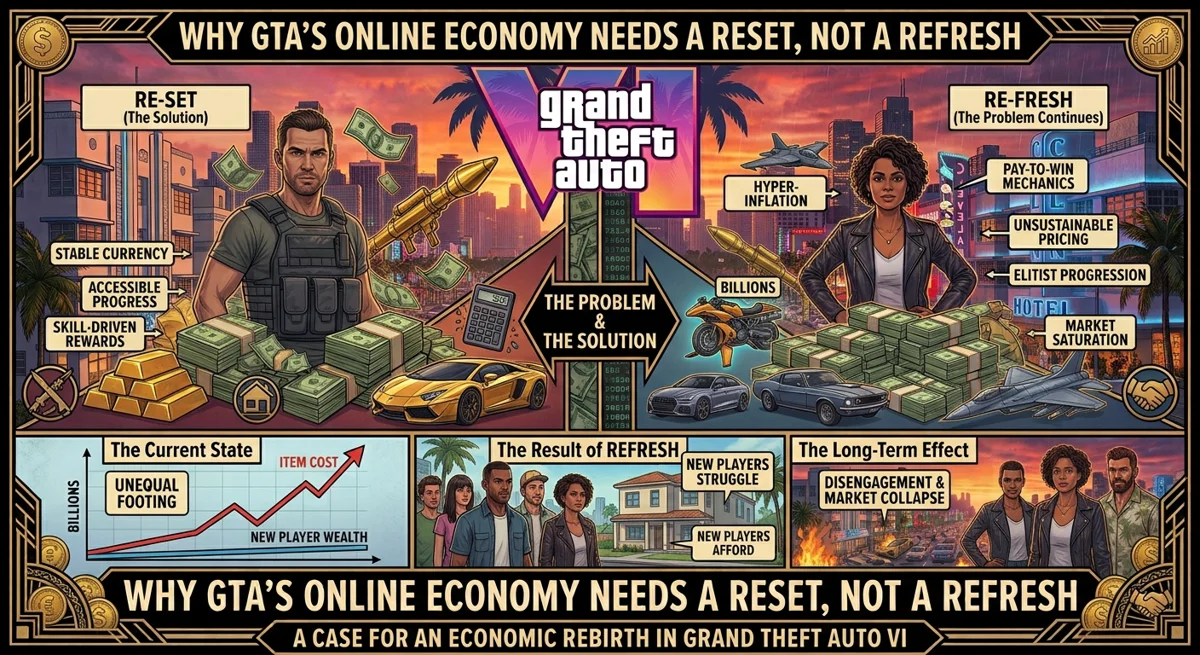
The first is economy. GTAV's online economy collapsed under its own weight years ago — Shark Card-driven inflation made early-game progression feel impossible without spending real money or grinding heists you'd already memorized. A fresh start gives Rockstar a once-in-a-decade chance to design a multiplayer economy from scratch, with mechanics that scale gracefully as new content lands. Whether they take it remains the open question.
The second is friction. GTA Online's lobby system has aged badly — fragmented sessions, griefer-friendly free-roam, loading screens between every activity. Modern crime sandboxes (from The Division to Sea of Thieves) have shown what seamless instancing can do for social play. If Vice City retains GTA Online's lobby model, the rest of the game's ambition won't matter.
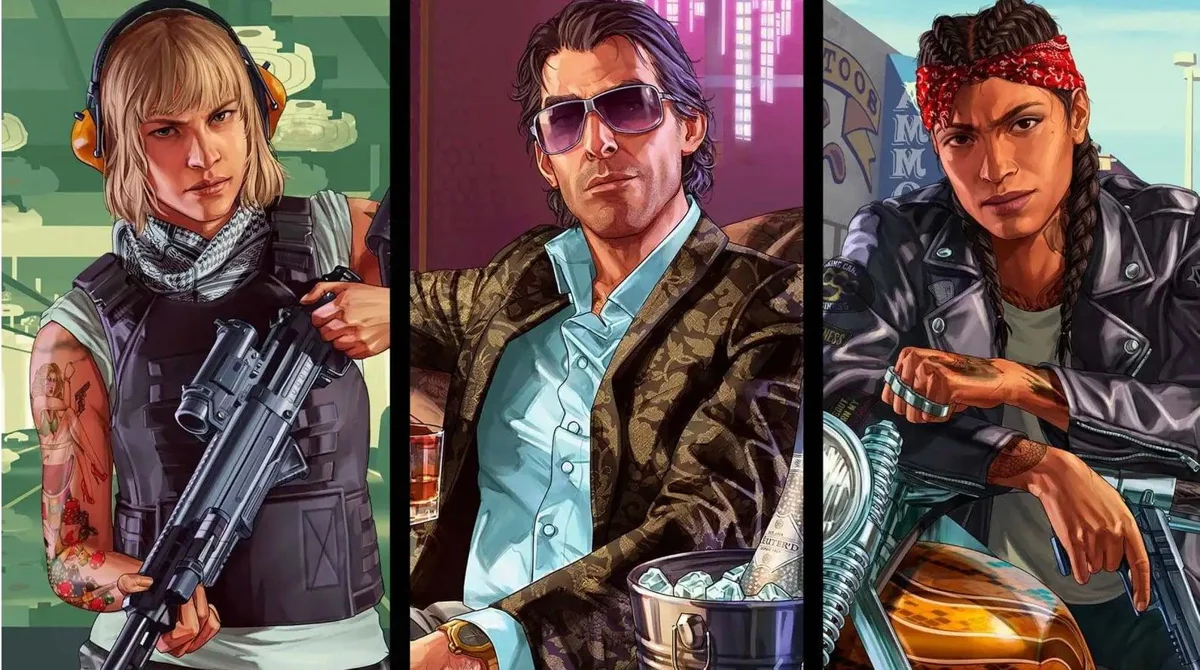
The third — and the one nobody is talking about — is identity. GTA Online's player avatars never had personality. They were customization sliders attached to weapon skins. The single-player success of Lucia and Jason works precisely because they have voices, histories, contradictions. Rockstar now has to decide whether multiplayer characters get any of that — or whether players will spend the next decade roleplaying personality onto blank slates again.
The opportunity here is enormous. Vice City as a setting has more cultural texture than Los Santos ever had — Latin music, Cuban café culture, Art Deco architecture, neon humidity. A genuinely living online Vice City could feel less like a multiplayer sandbox and more like a city you visit. That's a different category of product.
The risk is equally large. Rockstar has been building toward this moment for a decade, but they're also competing with their own past success. Every design decision will be measured against GTA Online's revenue baseline, which means safe choices will keep winning over bold ones. The studio that made The Lost and Damned and Red Dead Redemption 2 has a track record of taking bold swings. The studio that ran GTA Online for a decade has a track record of monetizing ruthlessly.
Vice City's real test isn't its launch. It's whether year three feels like the same game.